Integrated Maritime Navigation… The Science Behind 80% of Global Trade
Maritime shipping and transport are fundamental pillars of the global economy, accounting for over 80% of international trade, according to UNCTAD reports, with approximately 11 billion tons of goods transported annually across the world.
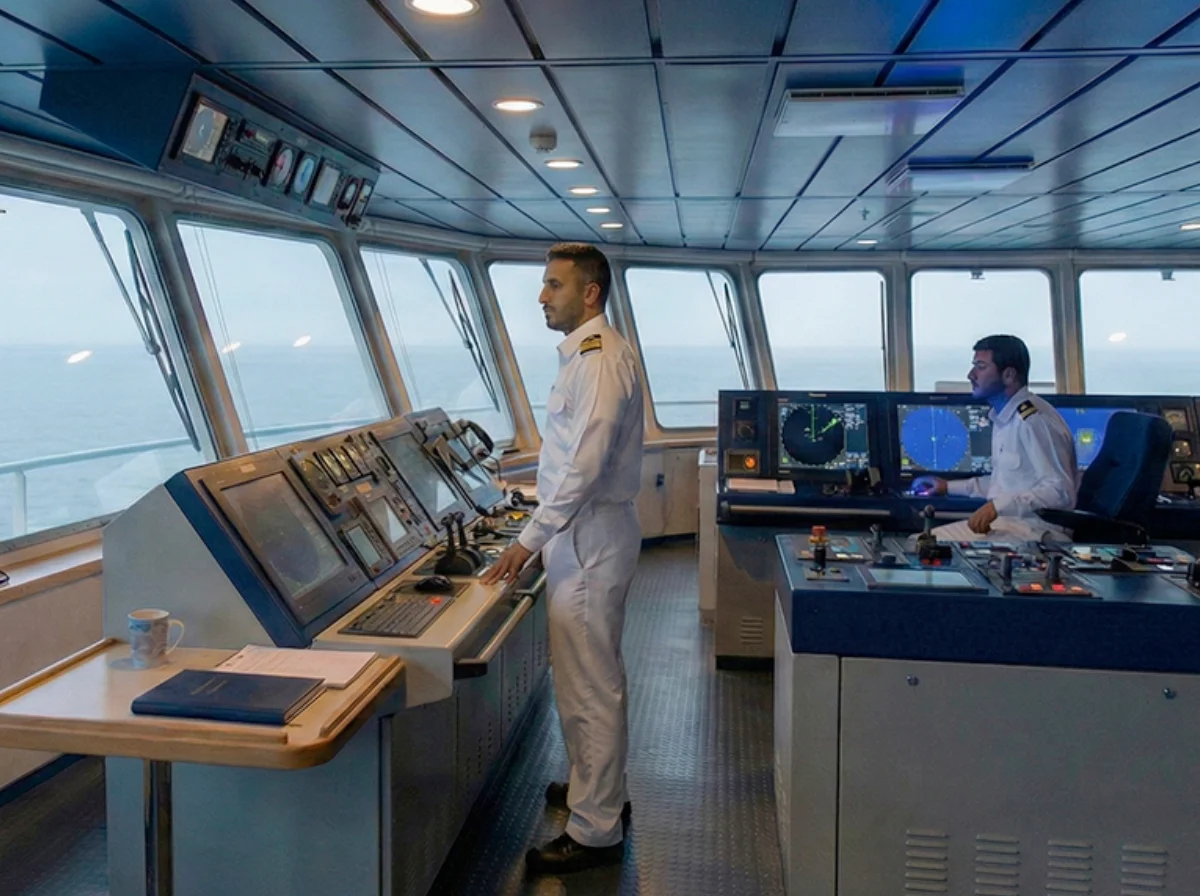
Within this context, maritime navigation emerges as a comprehensive system that integrates scientific knowledge, advanced technologies, and highly skilled human expertise to ensure safe and efficient operations.
⚓ Beyond Movement: The Science of Navigation
Maritime navigation is not merely moving vessels between ports—it involves:
- Astronomical calculations
- Weather analysis
- Ocean current assessment
- Satellite-based systems
- Critical human decision-making
🛡️ Safety Systems Behind the Scenes
Modern navigation relies on advanced systems supported by backup mechanisms. Predictive weather modeling helps:
- Avoid storms
- Reduce risks
- Improve fuel efficiency by up to 10%
📡 Evolution of Navigation
From:
- Stars and sun
- Magnetic compass
- Nautical charts
- Radar & sonar
- GPS
- AIS
- ECDIS
🌌 Celestial Navigation Still Matters
Despite technological advances, celestial navigation remains a reliable backup, using:
- The sun
- Polaris (North Star)
🌊 Nature’s Impact
Ocean currents and winds directly influence:
- Fuel consumption
- Voyage duration
- Cargo safety
👨✈️ The Human Factor
Even with digital systems, human expertise remains essential for:
- Interpreting data
- Making critical decisions
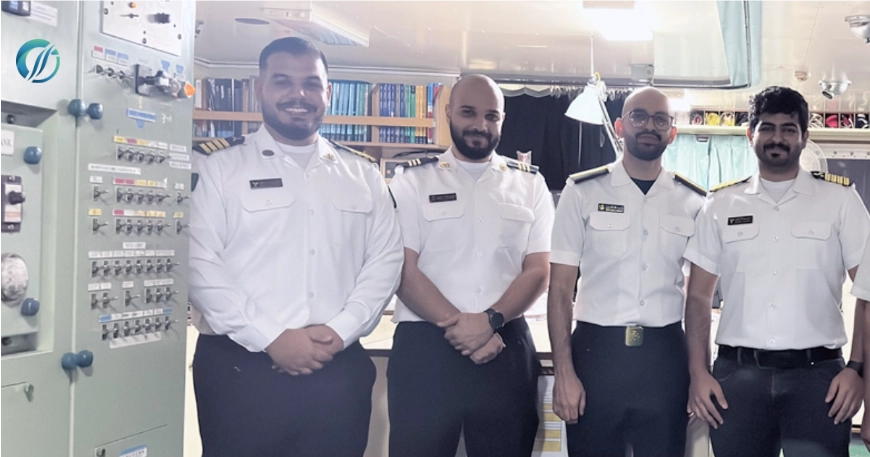
- Ensuring safe operations
🚢 The Future of Navigation
Maritime navigation will continue evolving as an integrated system combining:
technology, science, environment, and human expertise.
OSLCO remains committed to adopting best practices and advanced technologies to enhance maritime efficiency and support global supply chains.