Key Challenges in Sea Freight Shipping and How to Handle Them Effectively
Entering the world of sea freight shipping for the first time often reveals that the process is far more complex than simply transporting vehicles or cargo from one port to another. It is a fully integrated system involving operational, logistical, and customs procedures that require clear understanding and proper planning to ensure a smooth and efficient shipping experience.
One of the most common initial challenges is the lack of visibility into the complete shipping journey. A shipment typically passes through several stages, beginning with booking and preparation, followed by inland transportation to the port, cargo loading and departure, arrival at the destination port, and finally customs clearance and delivery. Without a clear understanding of these stages, clients may develop inaccurate expectations regarding timelines, procedures, or overall costs.
Another common issue is unclear pricing. Some clients encounter additional charges during or after the shipping process, including port handling fees, storage charges, or customs clearance costs. In many cases, the issue is not the existence of these fees themselves, but rather the lack of transparency from the beginning, which can create confusion and affect decision-making.
Shipping delays also remain one of the most frequent challenges within the industry. These delays are rarely caused by a single factor; instead, they may result from port congestion, incomplete documentation, varying international procedures, or coordination delays between involved parties. However, many of these issues can be significantly minimized through proper preparation before the shipment process begins.
Customs clearance is another highly sensitive stage of the shipping journey. Even minor inaccuracies in documents or shipment data may result in delays or temporary shipment holds. This stage requires a high level of accuracy and a strong understanding of regulatory requirements in both the country of origin and the destination country, as it represents a mandatory checkpoint in the overall shipping process.
In addition, limited shipment visibility during transit can negatively impact the customer experience. When clients do not receive clear updates regarding the status of their shipments at each stage, uncertainty and concern naturally increase. For this reason, regular communication and shipment tracking have become essential elements in improving service quality and customer confidence.
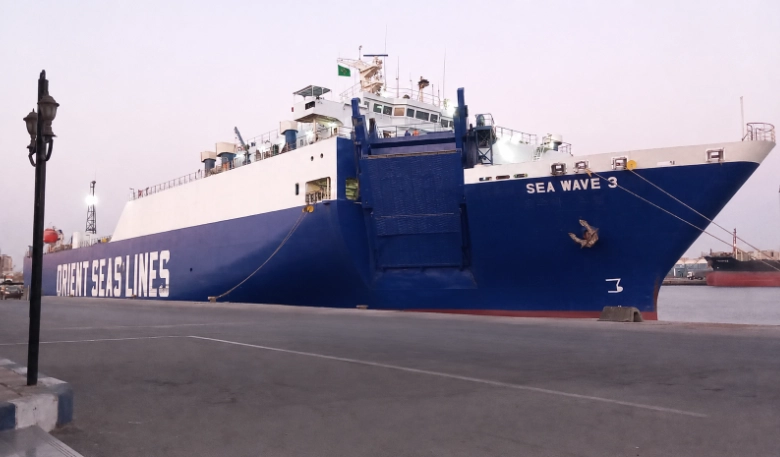
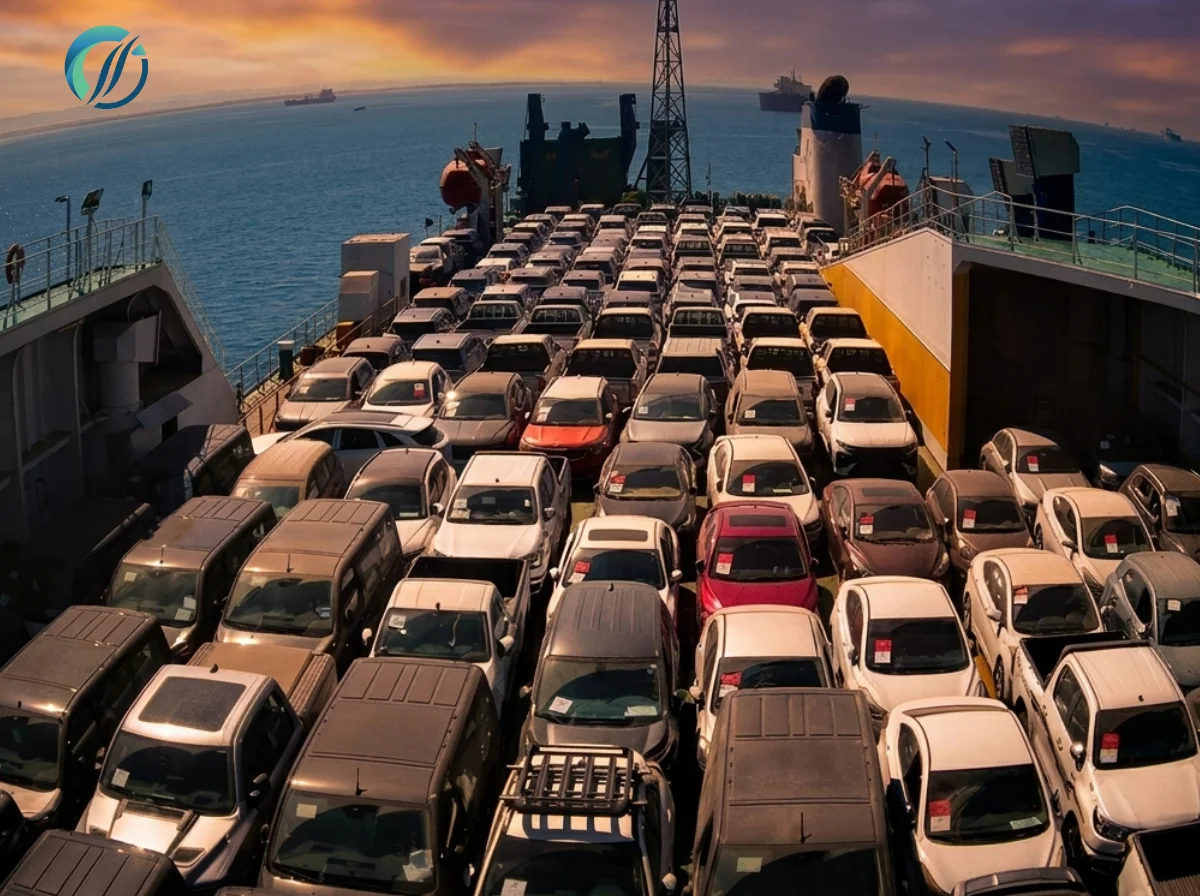
Selecting the appropriate shipping method also plays a critical role in the success of the operation. Choosing an unsuitable shipping option—whether container shipping or RoRo (Roll-on/Roll-off) shipping—may lead to unnecessary costs or operational inefficiencies depending on the nature of the cargo or vehicle. Therefore, making the right decision depends heavily on understanding operational requirements before shipping begins.
Based on industry experience, most shipping challenges do not stem from the transportation process itself, but rather from the pre-shipping phase, including information clarity, documentation accuracy, and selecting the appropriate shipping method. This is where specialized logistics providers play a vital role in organizing and simplifying the overall process for clients.
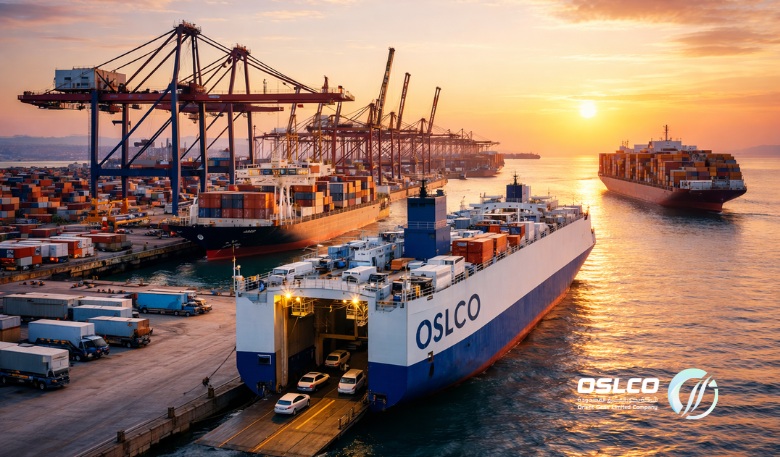
In this context, OSLCO operates within the sea freight sector by supporting clients through clear procedural guidance from the outset and closely monitoring shipment stages. This approach helps reduce operational errors while ensuring a more transparent and stable shipping experience.
Ultimately, sea freight shipping is a structured and efficient system, but its success depends greatly on proper planning and informed decision-making. The more informed clients are about the process, the smoother and more efficient their shipping experience becomes.