Global Shipping Transformations… Strategic Opportunities Enhancing Supply Chain Resilience
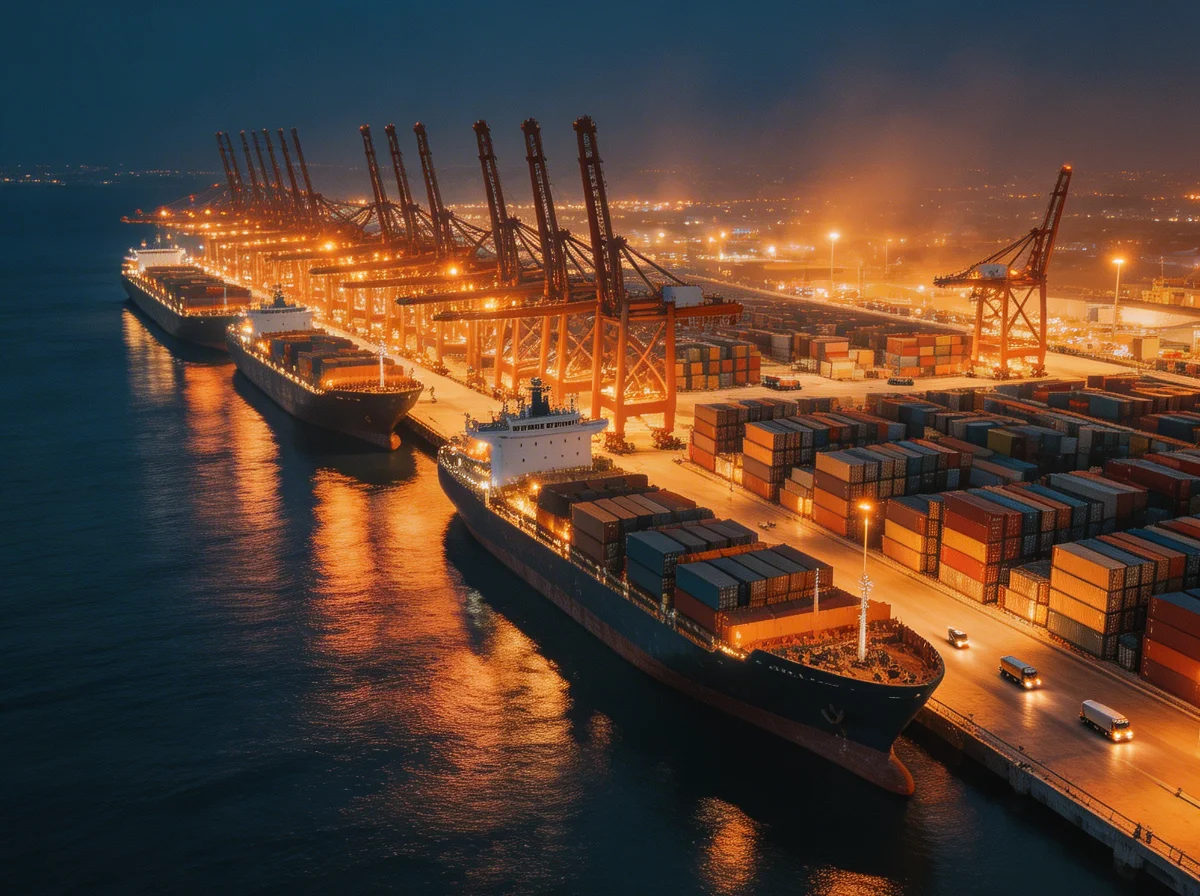
The global maritime shipping sector in 2026 is undergoing rapid transformations driven by geopolitical and economic shifts, reshaping trade routes and creating a new reality for global logistics operations.
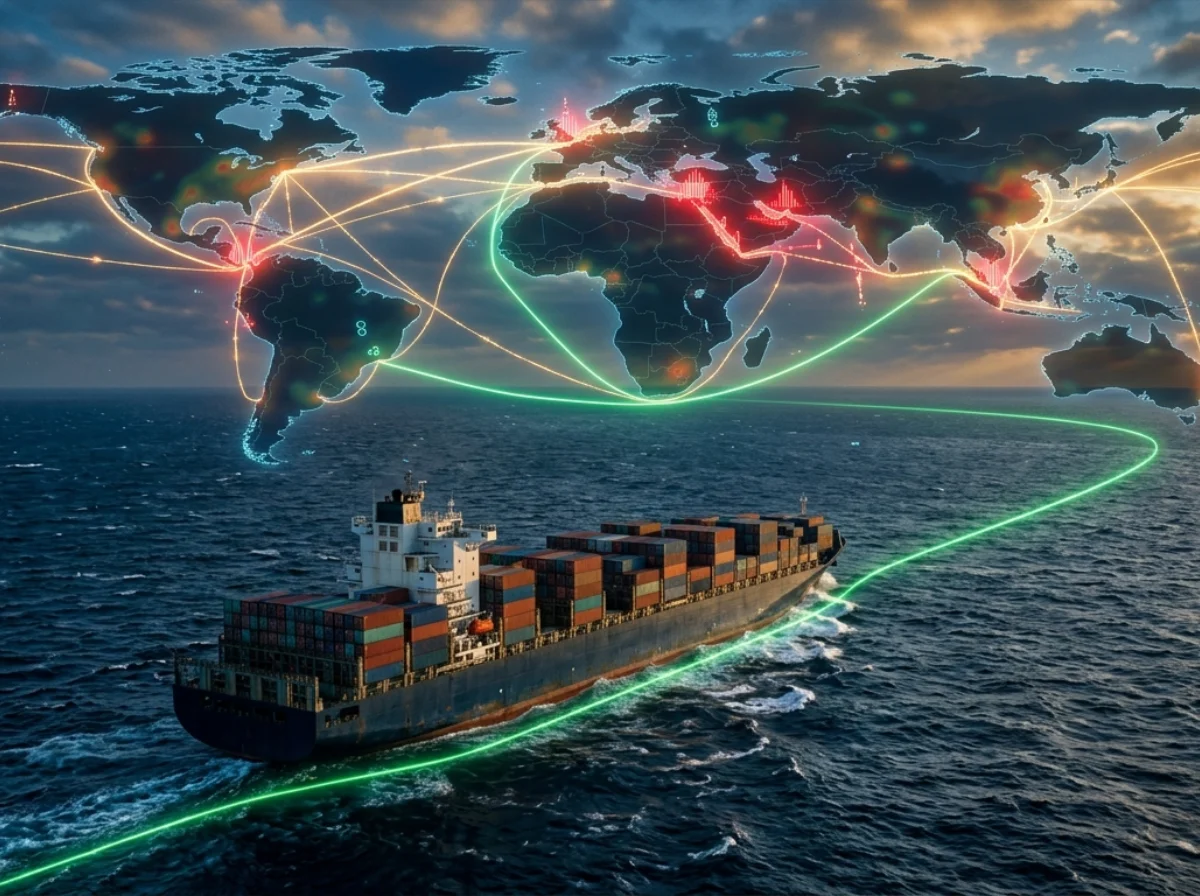
Amid regional tensions and rerouting of vessels away from critical maritime corridors, supply chains have become increasingly dependent on operational flexibility and proactive planning. Shipping companies have adjusted routes, resulting in longer transit times and higher operational costs.
International reports also indicate that the maritime sector is experiencing slower growth, with ongoing pressures from rising costs, market volatility, and shifting demand across global shipping routes.
Despite these challenges, new opportunities are emerging, particularly in developing alternative ports, enhancing logistics infrastructure, and adopting digital solutions to improve operational efficiency.
In this context, OSLCO emphasizes the importance of adapting to these changes by strengthening flexible operational strategies and enhancing fleet and logistics readiness to ensure continuity and efficiency.
OSLCO continues to adopt best practices in supply chain management and leverage advanced technologies to improve adaptability and deliver integrated maritime solutions that support stable logistics operations.
These developments highlight the critical role of national companies in strengthening maritime resilience and supporting global trade sustainability, aligned with Saudi Vision 2030 objectives