
Maritime Management at OSLCO A Strategic Vision for an Integrated Ship Management System
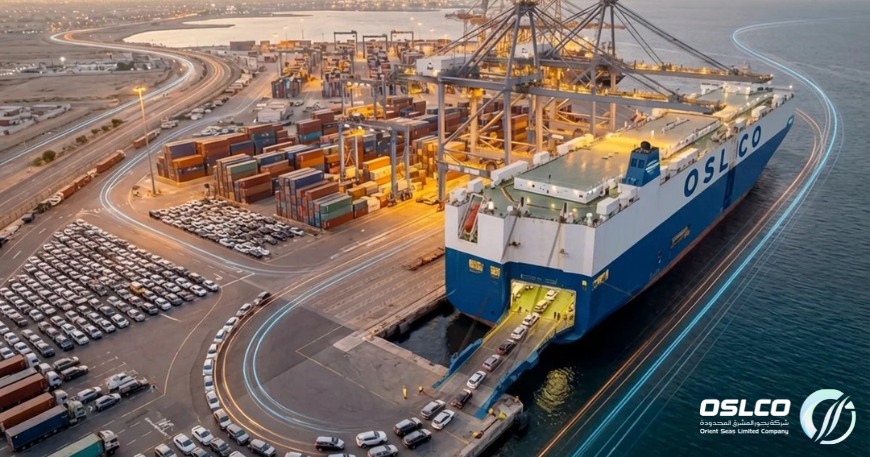
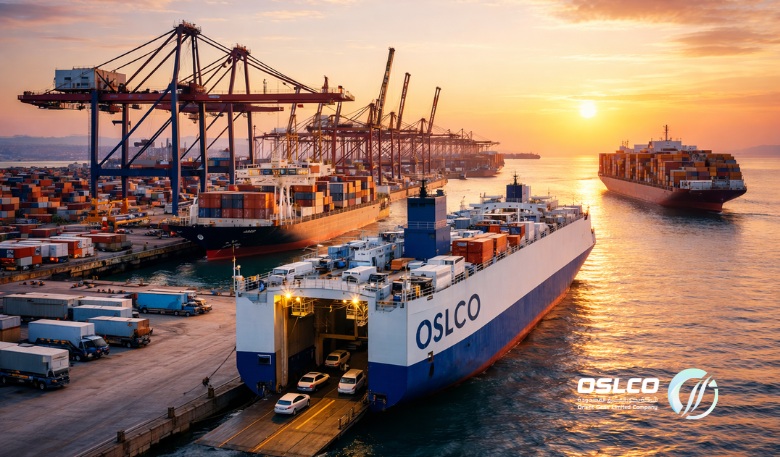
In light of the rapid growth of the maritime transport and logistics sector, OSLCO is advancing its operational capabilities through the development of a fully integrated maritime management system. This initiative is part of a strategic plan currently under implementation, aimed at strengthening the company’s position in ship management and maritime services.
This direction represents a significant step toward achieving operational integration, enhancing efficiency, and delivering high-quality services that meet evolving market demands while aligning with international best practices.
The Concept of Maritime Management at OSLCO
At OSLCO, maritime management is approached as a comprehensive framework that extends beyond traditional vessel operations. It encompasses an integrated system designed to ensure efficiency, reliability, and sustainability across all maritime functions, including:
* Marine operations management
* Technical management and maintenance
* Crew management
* Compliance with international maritime regulations
* Risk management and safety
* Financial and operational planning
This model is built upon the implementation of the International Safety Management (ISM) Code through a structured Safety Management System (SMS), which defines responsibilities, operational procedures, and emergency response protocols, ensuring high standards of safety and full regulatory compliance.
Core Pillars of Ship Management Operational Management
Includes voyage planning, route optimization, and coordination with ports to ensure schedule adherence, cost efficiency, and compliance with operational and environmental requirements under MARPOL.
Technical Management
Focuses on ensuring vessel readiness through the application of best practices in maintenance and engineering management, including:
* Implementation of a Planned Maintenance System (PMS) for scheduling preventive and routine maintenance
* Monitoring equipment condition and analyzing failures to reduce unplanned downtime
* Applying predictive maintenance based on operational data
* Documenting maintenance activities and analyzing performance to improve efficiency
* Ensuring compliance of equipment and systems with safety and operational requirements under SOLAS
* Supporting compliance with Safety Management System (SMS) procedures within the ISM Code framework
Crew Management
Ensures the recruitment and development of qualified maritime personnel in accordance with STCW requirements, along with continuous training on Safety Management System (SMS) procedures and emergency response, enhancing operational efficiency and onboard safety culture.
Compliance and Governance
OSLCO adheres to all applicable international maritime regulations, including the ISM Code, SOLAS, MARPOL, and STCW conventions, supported by regular audits and inspections to ensure operational sustainability and risk mitigation.
Digital Transformation in Maritime Management
OSLCO is actively adopting advanced technologies to enhance its maritime management system through:
* Advanced digital fleet management systems
* Vessel tracking and data analytics technologies
* Predictive maintenance solutions
* Data-driven decision-making processes
This transformation improves operational efficiency, enhances decision-making accuracy, and strengthens the company’s competitive position.
Sustainability and Capability Development
As part of its long-term vision, OSLCO is committed to:
* Developing and empowering maritime human capital
* Building effective strategic partnerships
* Adopting environmentally responsible practices
* Promoting sustainability across maritime operations
These initiatives support sustainable growth while maintaining environmental responsibility.
Challenges and Growth Opportunities
OSLCO recognizes the challenges within the maritime management sector, including market volatility, evolving regulatory requirements, and operational risks. At the same time, the company views these challenges as opportunities for innovation, growth, and continuous improvement through strategic planning and operational excellence.
Toward an Integrated Maritime Future
OSLCO is steadily progressing toward establishing a fully integrated maritime management system that will serve as a key pillar in its expansion within the maritime transport and logistics sector.
This direction reflects the company’s commitment to delivering high-quality services, achieving sustainable operational efficiency, and building a future-ready business model aligned with international standards and industry developments.
As implementation progresses, maritime management is expected to become a key driver of OSLCO’s future growth, enhancing service quality, improving operational efficiency, and creating new opportunities for expansion in ship management and maritime services.